Exoplanets
Worlds Beyond Our Solar System
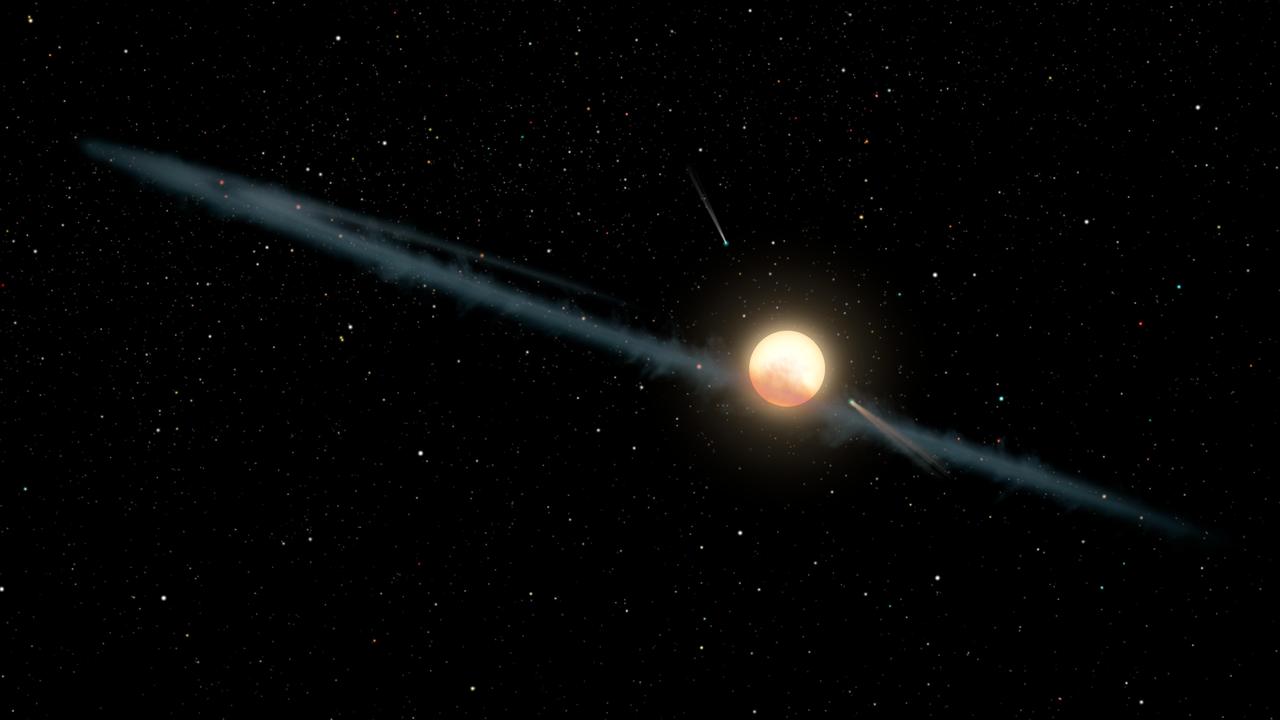
Exoplanets are planets that orbit stars outside our solar system. The first confirmed exoplanet detection around a Sun-like star was made in 1995. Since then, thousands of exoplanets have been discovered, revealing an incredible diversity of worlds.
Discovery Methods
- Transit Method: Detects dips in starlight as a planet passes in front of its star
- Radial Velocity: Measures star wobble caused by a planet's gravity
- Direct Imaging: Photographing the planet directly (very difficult)
- Gravitational Microlensing: Using gravity to magnify distant starlight
Types of Exoplanets
Exoplanets come in many varieties: hot Jupiters orbiting extremely close to their stars, super-Earths larger than our planet but smaller than Neptune, and potentially habitable worlds in their star's "Goldilocks zone" where liquid water could exist.
James Webb Space Telescope
The James Webb Space Telescope is revolutionizing exoplanet science by analyzing the atmospheres of distant worlds. It can detect molecules like water vapor, carbon dioxide, and potentially signs of life in exoplanet atmospheres.