Comets
Icy Wanderers of the Solar System
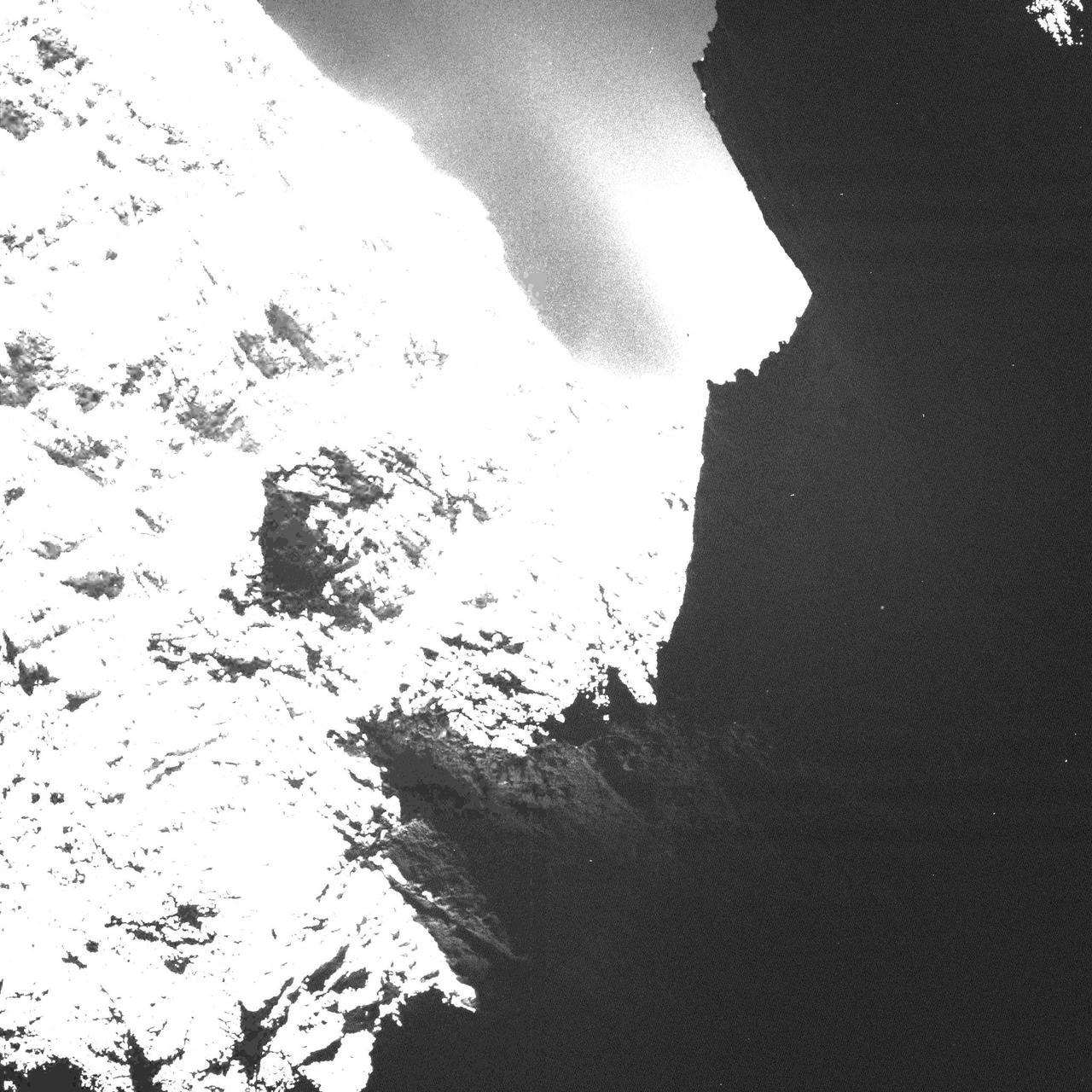
Comets are icy bodies that orbit the Sun. When a comet approaches the Sun, it develops a glowing tail of gas and dust that can extend for millions of kilometers. Comets are often called "dirty snowballs" due to their composition.
Key Facts About Comets
- Composition: Ice, dust, rock, and frozen gases
- Nucleus Size: Typically 1-10 km across
- Tail Length: Can extend millions of kilometers
- Orbital Period: Ranges from a few years to millions of years
- Origin: Kuiper Belt and Oort Cloud
Famous Comets
Halley's Comet is the most famous comet, visible from Earth every 75-79 years. It was last seen in 1986 and will return in 2061. Other notable comets include Hale-Bopp, which was visible to the naked eye for 18 months in 1997-1998.
Comet Tails
Comets develop two types of tails as they approach the Sun: a dust tail (white/yellow, curved) and an ion tail (blue, straight). The tails always point away from the Sun due to solar wind and radiation pressure.